CONCENTRATION
ABSTRACT:
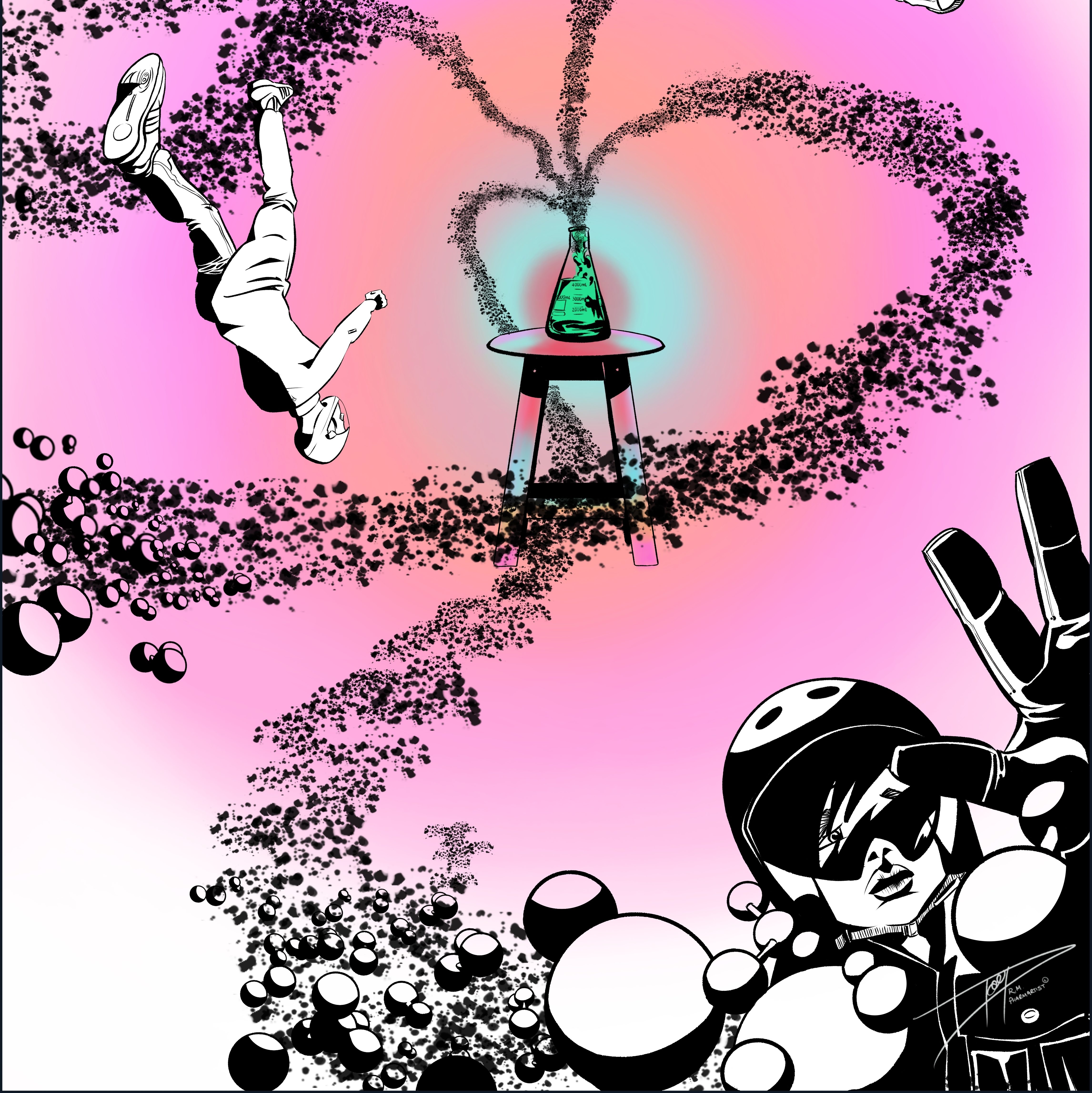
Concentration. Not how much i'm locked in but how much of a substance is in a set volume of solution.
Just like making squash, the concentration will tell you how strong or diluted a solution is.
It can also help working out how much of a medicine to give to achieve a certain dose.
METHODOLOGY:
- Watched 2 Youtube videos on A-level science calculations.
- Read BBC Bitesize AQA information on concentration.
- Completed associated quiz and questions.
DISCUSSION AND RESULTS:
This topic pointed out how often you need to rearrange or combine equations, especially when you're given a mass and then asked to find how much of a substance is in a volume.
I've also noticed I work better with triangles for calculations as I find it easier to 'see' and rearrange the equation to find a missing component.

In pharmacy, concentration is critical - it directly affects dosage, formulation and safety.
This is most applicable in my practice when dealing with liquids. Sometimes the prescriber will write the strength they want to give the patient on each dose, however if we transcribed this onto the label instead of what volume to take, it would be hard for the patient to take the right amount.
For example, a prescription wants to give someone 12.5mg morphine solution at each dose. This morphine solution comes in concentration 10mg in 5ml.
To work out what volume to give to acheive that dose, we can:

Take the dose we want give, 12.5mg.
Divide this by the strength of concentration of the product comes in, 10mg.
12.5 / 10 = 1.25
Multiply this by the volume of concentration of the product, 5ml.
1.25 x 5 = 6.25ml.
LOGICAL CONCLUSIONS:
I've grasped how to calculate concentration and see how it fits into a wider set of chemical equations.
I will try and apply the triangle format to future calculations as I remember things more effectively in a visual format.



 PharmArtist